GMP & Inspections · 6 min read
GMP Audit Readiness: A 7-Step Checklist for Passing Your Next Inspection
A field-tested, seven-step framework to get your site genuinely inspection-ready — from honest gap assessment to disciplined CAPA close-out — written by a senior Qualified Person.
By B. Subramanian · 9 June 2026 · Updated 15 June 2026

Few things concentrate the mind like a confirmed inspection date. Whether you are facing a routine MHRA reinspection, a first pre-approval inspection or a customer's GMP and GDP audit, the difference between a smooth visit and a stressful one is almost always preparation — not luck. After years of leading audits and acting as a Qualified Person, I have watched the same gaps surface again and again, and the same simple framework close them.
Here is the seven-step checklist we use to get a site genuinely inspection-ready.
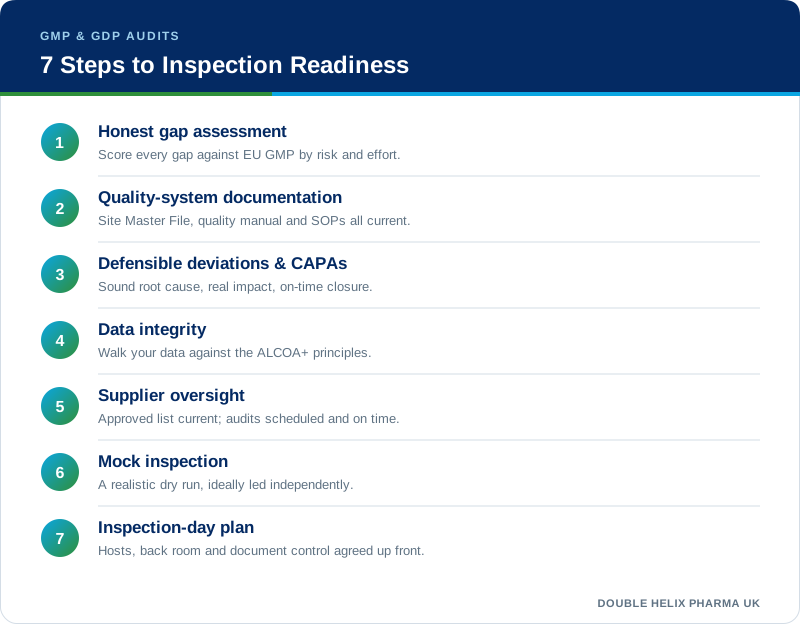
1. Start with an honest gap assessment
Before you fix anything, you need to know where you actually stand. A structured gap assessment against EU GMP and the applicable Annexes gives you a prioritised list of findings rather than a vague sense of unease. Score each gap by risk and effort, and be ruthless about what is critical versus cosmetic. The goal is not a perfect site — it is a site with no significant deficiencies and a credible plan for everything else.
2. Get your quality system documentation in order
Inspectors read your quality management system before they read your data. Make sure your Site Master File is current, your quality manual reflects what you really do, and your SOPs are approved, in date and available at the point of use. The fastest way to lose an inspector's confidence is a procedure that describes a process nobody actually follows.
3. Make your deviations and CAPAs defensible
Open deviations and overdue CAPAs are magnets for inspector attention. You do not need a spotless record — you need a controlled one. Every deviation should show a sound root-cause investigation, a risk-based impact assessment, and corrective actions that are genuinely closing the problem. Trend your data, and be ready to explain what it is telling you.
4. Treat data integrity as non-negotiable
Data integrity is now a standing item in almost every inspection. Walk your processes against ALCOA+ principles — is your data Attributable, Legible, Contemporaneous, Original and Accurate? Check that audit trails are switched on and reviewed, that system access levels are appropriate, and that there are no uncontrolled spreadsheets quietly doing GMP-critical work.
5. Confirm your supplier and material oversight
Your compliance is only as strong as your supply chain. Make sure your approved supplier list is current, that supplier audits are scheduled and on time, and that incoming materials are released against meaningful specifications. If you distribute as well as manufacture, your GDP controls deserve the same scrutiny.
6. Run a mock inspection
Nothing exposes weak spots like a realistic dry run. A mock inspection — ideally led by someone independent — tests not just your documents but your people: can your subject-matter experts answer confidently, do front-room and back-room logistics work, and does the team know how to handle a question they cannot immediately answer? This single step turns nervous staff into a prepared team.
7. Plan the inspection days themselves
Logistics matter. Decide who hosts, who runs the back room, how requests are logged, and how documents are retrieved and reviewed before they reach the inspector. Agree in advance how you will handle a potential finding in real time. A calm, organised inspection room signals control — and control is exactly what an inspector is looking for.
After the inspection: close out with discipline
When findings come, respond with the same rigour you applied in preparation: clear root cause, realistic timelines, and evidence of completion. A well-managed CAPA response can turn a difficult inspection into a demonstration of a healthy quality culture.
Where to start
If a date is already in the diary — or you simply want to know how ready you really are — an independent readiness assessment is the highest-value first step. You can see how we have helped other sites through this in our case studies, or book a readiness call to talk through your situation. And if you need a Qualified Person to support batch release in the meantime, we can help there too.
Regulatory sources
This guidance reflects current UK and EU GMP/GDP requirements. Primary references:
- EudraLex Volume 4 — EU GMP Guidelines
- EU GMP Chapter 9 — Self Inspection
- MHRA Inspectorate Blog
- EMA — GMP/GDP Questions & Answers
Always confirm against the latest published version of each source.
Frequently asked questions
How long does it take to prepare for a GMP inspection?+
It depends on your starting point, but a focused readiness programme usually runs 4–12 weeks: a gap assessment first, then prioritised remediation, with a mock inspection close to the date.
What do MHRA inspectors focus on most?+
Data integrity, deviation and CAPA management, and whether your documented quality system matches what actually happens on the floor.
Can you support us during the inspection itself?+
Yes — we can run the back room, manage document retrieval and real-time findings, and lead the CAPA response afterwards.